
Table of Contents
Masgonzola is a fascinating cheese specialty for anyone who enjoys rich, creamy flavors. The name may sound like an old Italian cheese with a long history, but its story is much simpler. Masgonzola is generally used for a combination of Gorgonzola and mascarpone. Gorgonzola brings a bold, tangy, salty, blue-cheese flavor. Mascarpone adds a soft, smooth, and creamy texture. Together, they create a balanced cheese that can feel much gentler than strong Gorgonzola alone. The term is also used in real recipes. Betty Bossi describes Masgonzola as a soft cheese made with alternating layers of Gorgonzola and mascarpone. It also recommends using it in place of separate Gorgonzola and mascarpone in risotto. If you have recently seen the word Masgonzola online or at a cheese counter, you may wonder what it means, how it tastes, and how you should use it. This guide answers those questions in simple terms. It also explains the difference between Masgonzola, Gorgonzola, and mascarpone. You will learn about its texture, flavor, cooking uses, pairings, storage, nutrition considerations, and shopping tips. Most importantly, you will understand why this creamy combination can be so useful in everyday cooking.
What Is Masgonzola?
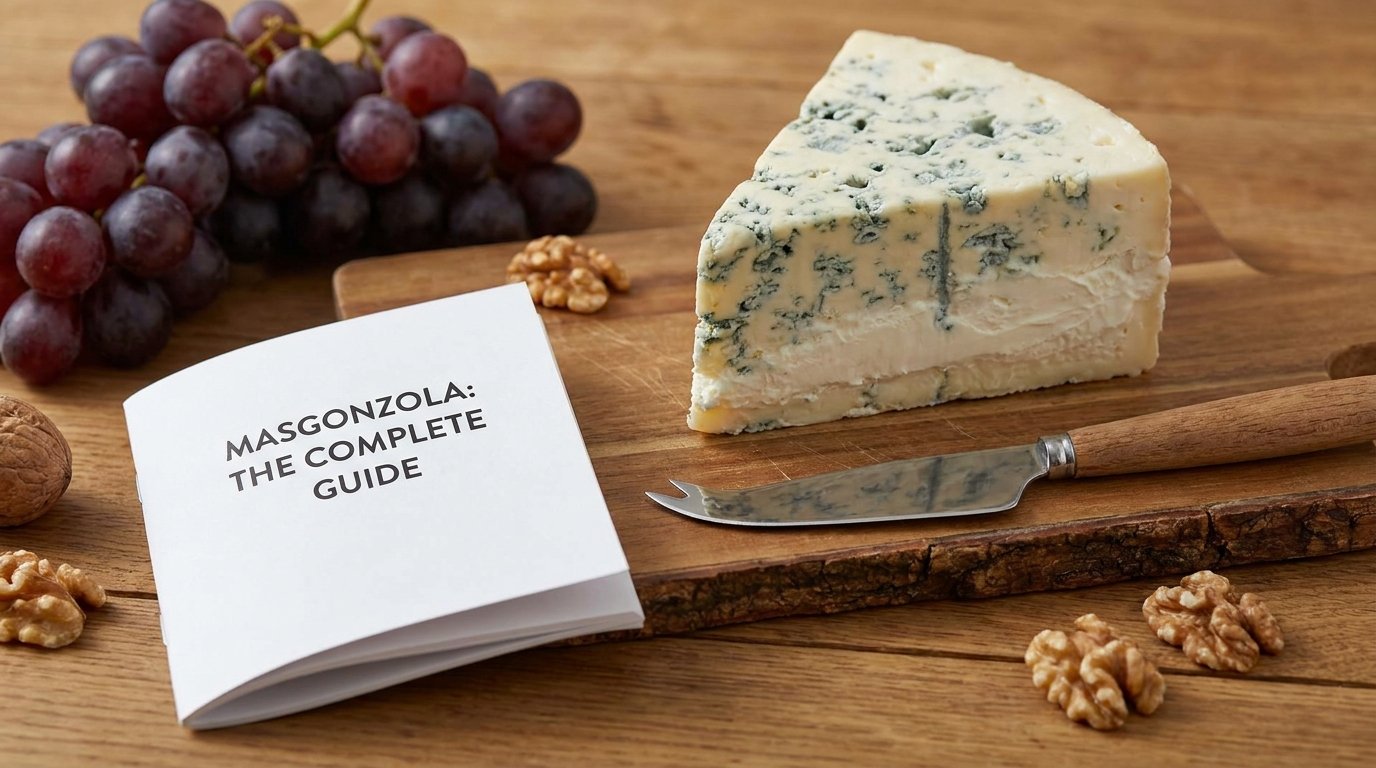
Masgonzola is best understood as a creamy combination of Gorgonzola and mascarpone. The two ingredients have very different personalities. Gorgonzola is a blue-veined Italian cheese with a strong and savory character. Mascarpone is soft, rich, mild, and creamy. When they come together, the result has the character of blue cheese without relying only on its sharp taste. Some versions are made with visible layers of the two cheeses. Other versions may have a more blended appearance. The exact texture can depend on the product and the ratio of ingredients. Betty Bossi specifically describes Masgonzola as an Italian soft cheese with alternating layers of Gorgonzola and mascarpone. This makes it different from simply buying a piece of Gorgonzola. It also explains why Masgonzola can work well in sauces, pasta, risotto, appetizers, and spreads. If you enjoy creamy foods but find some blue cheeses too powerful, this combination can be an interesting option to try.
Where Does the Name Masgonzola Come From?
The name Masgonzola becomes easier to understand when you look at its two main parts. The first part resembles mascarpone, while the second part resembles Gorgonzola. In simple terms, the name works like a combination of the two cheese names. This is useful because it quickly tells people what kind of product they are dealing with. However, it is important not to create a dramatic history that cannot be supported. Masgonzola should not automatically be described as a centuries-old protected cheese with its own independent tradition. Reliable culinary sources use the name for the Gorgonzola and mascarpone combination. Betty Bossi, for example, lists Masgonzola directly as Gorgonzola and mascarpone in its recipes. This is a good example of why food names can sometimes be confusing online. A name can sound traditional without being a separate protected food category. For shoppers, the ingredients matter more than the fancy sound of the word. When you see Masgonzola, think of a creamy meeting between bold Gorgonzola and mild mascarpone.
Is Masgonzola a Real Cheese?
Yes, Masgonzola is used as a real food term, and products or recipes using the combination exist. However, there is an important distinction. Masgonzola should not be confused with Gorgonzola itself, which has protected status. The official Gorgonzola consortium explains that Gorgonzola is recognized by the European Union as a DOP product. Its production is connected with defined areas and regulated traditional practices. Masgonzola is better described as a cheese specialty or combination based on Gorgonzola and mascarpone. That distinction matters because online articles sometimes present unusual food names as ancient varieties without enough evidence. A trustworthy food guide should separate confirmed information from assumptions. The safest description is simple: Masgonzola refers to a creamy Gorgonzola-and-mascarpone preparation. It can be found in recipes and cheese products, but it does not have the same protected identity as Gorgonzola DOP. This does not make it less interesting. In fact, its flexible nature is one reason it works so well in modern cooking.
What Are the Main Ingredients?
The two main ingredients are Gorgonzola and mascarpone. Gorgonzola provides the bold flavor, while mascarpone provides the creamy body. Gorgonzola is an Italian blue cheese known for its blue-green veining, rich flavor, and creamy character. The official consortium describes it as a creamy blue-veined cheese with an intense flavor and a long Italian tradition. Mascarpone is very different. It has a pale appearance, a smooth texture, and a delicate flavor. One Italian producer describes mascarpone as a creamy white dairy product with a light and delicate taste. These differences are exactly what make the combination appealing. Imagine mixing a bold savory ingredient with something smooth and gentle. The stronger ingredient gives personality, while the milder ingredient adds softness. The final result can therefore feel richer and more rounded. Exact recipes can vary, so the amount of each ingredient may not always be the same. That means two Masgonzola products can have slightly different tastes and textures.
What Does Masgonzola Taste Like?
The flavor of Masgonzola can be described as creamy, savory, tangy, buttery, and mildly sharp. The Gorgonzola brings the most noticeable flavor. It can provide salty and earthy blue-cheese notes. The mascarpone then adds a soft and rich feeling that helps balance those stronger notes. This does not mean Masgonzola tastes exactly the same every time. The strength can change depending on the amount of Gorgonzola used and the specific product. Some versions may have a more noticeable blue-cheese character. Others may taste much softer and creamier. Temperature can also change the experience. When served cold, the cheese can feel firmer and more concentrated. When gently warmed, it becomes softer and more spreadable. That makes it useful in cooking. A small amount can add a lot of flavor to a dish without requiring a large quantity. For people who are curious about blue cheese but do not want an extremely strong first experience, a creamy Gorgonzola and mascarpone combination can be a comfortable place to begin.
What Is the Texture Like?
Texture is one of the most interesting features of Masgonzola. Gorgonzola alone can already be creamy, but mascarpone adds an even softer quality. Depending on how the product is prepared, you may see distinct layers or a blended appearance. Betty Bossi’s description specifically refers to alternating layers of Gorgonzola and mascarpone. This layered style can create a beautiful contrast between pale mascarpone and blue-veined cheese. When cut, the cheese can look rich and decorative on a serving board. When warmed, it can become even softer. This makes it useful for spreading over bread or melting into a sauce. The texture is also helpful when making pasta because the cheese can mix into warm ingredients smoothly. If you are serving it as part of a cheese board, allow it to soften slightly before eating. This can make the texture more pleasant and help the flavors become easier to notice. Always follow the storage instructions on the package and keep the cheese properly refrigerated.
How Is Masgonzola Made?
There is no single universal method for every Masgonzola product. A common approach is to combine Gorgonzola and mascarpone as layers or as a creamy mixture. The layered style is especially easy to recognize because the two components remain visually distinct. One section may contain the blue-veined Gorgonzola, while another contains the smooth white mascarpone. The idea is simple. Instead of serving the two cheeses separately, they are brought together into one product. This creates convenience for cooking and serving. You can use the combination without measuring separate amounts of two different cheeses. Betty Bossi recipes show this practical approach. Its risotto recipe recommends replacing separate Gorgonzola and mascarpone with 200 grams of Masgonzola. The exact manufacturing process can vary by producer, so shoppers should read the label for specific ingredients and storage instructions. It is better to focus on the known concept than to claim that every product is made in exactly the same way.
Masgonzola vs Gorgonzola: What Is the Difference?
The biggest difference is simple. Gorgonzola is the traditional Italian blue cheese, while Masgonzola combines Gorgonzola with mascarpone. Gorgonzola has a stronger identity and protected DOP status. The official consortium confirms its recognition by the European Union and its connection to defined production territories. Masgonzola is a softer combination that adds mascarpone to the equation. This changes both texture and flavor. Pure Gorgonzola can be the better choice when you want a clear blue-cheese taste. Masgonzola may be better when you want creaminess alongside that flavor. Neither is automatically better. They simply suit different situations. For a strong cheese board, traditional Gorgonzola can make a bold statement. For a creamy pasta sauce, Masgonzola can be very convenient. If you are new to blue cheese, the softer combination may also feel easier to enjoy. Understanding this difference helps prevent confusion when shopping or reading recipes.
Masgonzola vs Mascarpone: What Is the Difference?
Mascarpone and Masgonzola are also quite different. Mascarpone is mild, creamy, and delicate. It is often used in desserts such as tiramisu, but it can also appear in savory dishes. A traditional description of mascarpone highlights its rich and creamy character and its use in both sweet and savory cooking. Masgonzola contains mascarpone, but it also includes Gorgonzola. That second ingredient changes the flavor completely. Instead of a mostly mild dairy taste, you get a more savory and tangy cheese profile. Think of mascarpone as the creamy foundation and Gorgonzola as the strong flavor component. Masgonzola brings both qualities together. If you want something gentle for a dessert, plain mascarpone is usually the more natural choice. If you want a savory cheese for pasta, bread, sauces, or appetizers, Masgonzola can offer more flavor. Knowing this difference can help you choose the right ingredient instead of assuming that all creamy Italian cheeses taste alike.
Why Do People Like This Cheese Combination?
The appeal comes from balance. Strong blue cheese can be exciting, but some people find it too intense. Plain mascarpone is wonderfully smooth, but it lacks the bold savory character many people want from cheese. Combining them creates a middle ground. The Gorgonzola provides depth, while the mascarpone makes the experience softer. This balance also creates more cooking options. You can use the cheese as a spread, melt it into a sauce, add it to pasta, or serve it with fruit. The combination is also visually attractive when it is layered. White and blue colors can make a cheese board look more interesting. Another benefit is convenience. Instead of buying two separate cheeses for a recipe, a prepared combination can provide both qualities in one ingredient. This idea is already supported by recipes that suggest using Masgonzola instead of separate Gorgonzola and mascarpone. For home cooks, that simple swap can make certain dishes easier to prepare without losing the creamy and savory character they need.
Best Ways to Eat Masgonzola
One of the easiest ways to enjoy Masgonzola is on warm bread. Spread it over toasted sourdough, focaccia, or crusty Italian bread. The warmth makes the cheese softer and helps release its aroma. You can add a few fresh greens for contrast. Another simple option is a cheese board. Pair small pieces with pears, apples, grapes, walnuts, almonds, or crackers. Sweet fruit can provide a pleasant contrast to the salty cheese. You can also use it as a filling for savory pastries or small appetizers. Betty Bossi has used Masgonzola in blini recipes with pesto, herbs, and almonds, showing how well it can work in small savory bites. For a quick meal, spread it over toast and add sliced mushrooms or cooked vegetables. You do not need complicated recipes to enjoy it. In fact, simple combinations can often show its flavor more clearly. Start with a small amount and add more if needed.
Using Masgonzola in Pasta
Pasta is one of the best places to use a creamy cheese combination. The cheese can create a rich sauce without requiring many ingredients. Start with cooked pasta and reserve some of the cooking water. Gently warm the cheese with a little milk or cream. Add a small amount of pasta water and stir until the sauce becomes smooth. Then toss in the pasta. You can add spinach, mushrooms, peas, roasted vegetables, or grilled chicken. Black pepper can also provide a simple contrast. Because the cheese already has a strong savory character, you may not need many extra seasonings. Avoid adding too much salt before tasting the finished sauce. The exact amount of Masgonzola depends on the cheese and the dish. Start modestly, then adjust. This approach lets you control the strength. The result should be creamy without becoming overwhelmingly heavy. For a fresh finish, add herbs such as parsley or a little lemon zest. A simple pasta dish can therefore become rich and flavorful with very little effort.
Using Masgonzola in Risotto
Risotto is another natural match for this creamy cheese. Traditional risotto becomes creamy through slow cooking and frequent stirring. Gorgonzola adds strong flavor, while mascarpone contributes extra richness. Combining both into Masgonzola gives you those qualities in one ingredient. Betty Bossi’s Gorgonzola risotto uses both cheeses and specifically suggests replacing them with 200 grams of Masgonzola. This makes the cheese particularly practical for home cooks. The best time to add it is near the end of cooking. The rice should already be creamy and close to being done. Stir the cheese in gently and allow it to melt through the hot rice. Taste before adding more salt. Spinach, mushrooms, pears, walnuts, or roasted vegetables can work well with the finished dish. A little black pepper can also sharpen the flavor. The key is moderation. Too much rich cheese can make risotto feel heavy. A measured amount can create a smooth, flavorful dish while keeping the rice as the main focus.
Using Masgonzola on Pizza
Masgonzola can also be used on pizza when you want a creamy and savory topping. It pairs especially well with ingredients that bring sweetness, earthiness, or freshness. Pear and Gorgonzola are a classic flavor idea, and mascarpone can make that pairing even creamier. Mushrooms are another strong option because their earthy flavor works naturally with blue cheese. You can also add caramelized onions, spinach, walnuts, or roasted vegetables. Because Masgonzola is rich, you do not need to cover the entire pizza with it. Small pieces placed across the surface can melt into creamy pockets. If you use a tomato base, keep the sauce light so it does not compete with the cheese. A white pizza can be an especially good match because it allows the cheese to remain the main flavor. Always follow safe food handling practices and use the storage and cooking guidance provided for the product you purchase. When used carefully, Masgonzola can turn a simple pizza into something much more interesting.
Masgonzola With Vegetables
Vegetables can help balance the richness of Masgonzola. Roasted vegetables are particularly useful because their natural sweetness works well with salty cheese. Try roasted pumpkin, potatoes, carrots, onions, or cauliflower. Mushrooms are another easy choice. Their earthy taste can blend naturally with the blue-cheese notes. Green vegetables can provide a fresh contrast. Spinach, broccoli, asparagus, and rocket can all work in different dishes. One simple idea is roasted vegetables topped with small pieces of Masgonzola just before serving. The heat can soften the cheese without requiring a complicated sauce. Another option is to stir a little into cooked spinach or use it as a topping for baked potatoes. The goal is not to hide the vegetables. Instead, use the cheese as a flavorful accent. A small amount can make plain vegetables feel more special. This is especially useful when cooking for people who enjoy rich flavors but still want vegetables to remain part of the meal.
Masgonzola With Fruit
Sweet fruit can create a wonderful contrast with creamy blue-cheese flavors. Pears are one of the most natural choices because their gentle sweetness works well with salty cheese. Apples can provide a crisper and fresher contrast. Grapes are also convenient for cheese boards because they require little preparation. Dried fruits can work too. Try dried figs, dates, or apricots with a small piece of cheese. The combination of sweet and savory flavors can make each bite more interesting. You can build a simple snack plate with fruit, nuts, crackers, and Masgonzola. This requires no cooking and can be prepared quickly for guests. If you are new to blue cheese, fruit is especially useful because its sweetness can soften the overall experience. Keep portions small because the cheese is rich. A balanced plate should give every ingredient room to shine. You do not need a large amount of cheese to create a satisfying combination.
Masgonzola on a Cheese Board
A cheese board is one of the easiest ways to serve Masgonzola. Start with the cheese as one of several options rather than making it the only choice. Add a mild cheese, a firm cheese, and perhaps a stronger cheese for variety. Then include crackers or sliced bread. Fresh fruit, dried fruit, nuts, olives, and a small amount of honey can complete the board. Give the cheese some time to soften before serving, while still following the package’s food safety instructions. Cut Masgonzola into manageable pieces so guests can try it without difficulty. If the cheese has visible layers, cutting it across the layers can create an attractive presentation. You can also label it clearly so guests know what they are tasting. This is useful because some people may not expect blue-cheese flavors. Pairing it with mild foods gives everyone an easy way to explore the taste. A thoughtful cheese board is less about quantity and more about contrast, balance, and simple presentation.
What Drinks Pair Well With Masgonzola?
The right drink can help balance a rich cheese. Wine is a traditional option, but the best choice depends on personal taste and the rest of the meal. Some people enjoy blue cheese with sweet wines because sweetness can contrast with saltiness. Others prefer dry wines with enough acidity to refresh the palate. If you do not drink alcohol, sparkling water is a simple choice. Its bubbles can help cleanse the palate between bites. Apple or pear-based drinks can also complement the cheese because their fruity notes work with its savory character. Coffee is less traditional but can work with certain savory breakfast combinations if you enjoy that pairing. The important thing is balance. Very rich foods can become tiring when paired with another heavy flavor. A fresh or lightly acidic drink can make each bite feel more comfortable. You do not need an expensive drink to enjoy the cheese. A simple beverage that you already like can be enough.
Is Masgonzola Healthy?
Masgonzola is a rich dairy food, so portion size matters. Its nutritional profile depends on the exact product and the amounts of Gorgonzola and mascarpone used. Cheese can provide protein, calcium, and other nutrients, but it can also contain significant amounts of fat and sodium. Because recipes and products differ, it is better to check the nutrition label rather than relying on a single generic number. Betty Bossi’s Masgonzola-based recipes show that the ingredient can contribute substantial energy and fat to a dish. For example, one Gorgonzola risotto recipe that uses the separate cheeses lists 601 calories and 29 grams of fat per serving, although those numbers apply to the complete recipe rather than Masgonzola alone. This is why balance is useful. You do not need to avoid rich cheese simply because it is rich. Instead, use reasonable portions and combine it with vegetables, whole grains, fruit, or other foods that fit your eating pattern. Anyone with specific dietary needs should check the package label or ask a qualified professional.
Does Masgonzola Contain Dairy?
Yes. Masgonzola is based on dairy ingredients, so it should be treated as a dairy food. Mascarpone itself is traditionally made from dairy cream or milk-based ingredients. One Italian producer lists pasteurized cow’s milk and pasteurized cream among its mascarpone ingredients. Gorgonzola is also a dairy cheese. This means people with a milk allergy need to pay close attention to the product label. Lactose tolerance is a separate issue, and individual tolerance can vary. People who avoid dairy for dietary or medical reasons should not assume that a creamy cheese is suitable simply because it looks different from traditional cheese. Always read the ingredient and allergen information on the exact package. Different products can have different formulations. If you are preparing food for guests, it is also helpful to ask about allergies before serving it. This simple step can prevent an uncomfortable or dangerous situation. When in doubt about an allergy, use professional medical advice rather than guessing from the cheese’s appearance or name.
How Should Masgonzola Be Stored?
Because Masgonzola is a dairy product, proper refrigeration is important. Keep it refrigerated according to the package instructions. Once opened, wrap the cheese properly so it does not dry out or absorb strong odors from other foods. A sealed container can help protect the texture and flavor. Avoid leaving the cheese at room temperature for long periods. When serving it at a gathering, take out only the amount you expect people to eat. Keep the rest refrigerated. Do not rely only on smell or appearance when deciding whether an old dairy product is safe. Check the use-by or best-before information and follow the manufacturer’s storage instructions. If you notice unexpected changes, such as unusual discoloration, unpleasant odors, or an altered texture, it is safer to discard the product. Storage instructions can vary, especially between packaged and freshly prepared cheese. The label is therefore the best source for the exact product you purchased. Good storage protects both quality and food safety.
How to Buy Masgonzola
Finding Masgonzola may require a little flexibility because not every store uses the same name. You may find products labeled Masgonzola, Gorgonzola with mascarpone, Gorgonzola and mascarpone, or a similar description. Reading the ingredient list is more reliable than depending only on the product name. Look for Gorgonzola and mascarpone or comparable dairy ingredients. Check the packaging for storage instructions, allergen information, and nutritional details. If you are buying from a cheese counter, ask the seller whether the product contains both cheeses. You can also ask whether it is layered or blended. This can help you choose the texture you prefer. If you want a milder flavor, look for a product where mascarpone has a stronger presence. If you enjoy blue cheese, you may prefer a version with more noticeable Gorgonzola. Availability depends on your country and local cheese shops. Do not worry if the exact word Masgonzola is missing. Similar products may still provide the same basic combination.
Common Mistakes When Using Masgonzola
One common mistake is using too much. Because the cheese is rich and flavorful, a little can go a long way. Another mistake is adding extra salt before tasting the dish. Gorgonzola can already bring a salty flavor, so additional salt may not be necessary. A third mistake is heating the cheese too aggressively. Gentle heat is usually more useful when you want a smooth sauce. Very high heat can affect the texture of dairy ingredients. Another mistake is pairing the cheese only with other rich foods. A creamy cheese can become more enjoyable when balanced with fresh vegetables, fruit, herbs, or acidic ingredients. People also sometimes assume that every product has the same flavor. That is not true. Different recipes and ratios can produce different results. Finally, avoid believing every historical claim you see online. Food names can attract myths quickly. Look for information from established culinary sources and official organizations when researching traditional cheeses. This approach helps you separate a real food product from exaggerated internet stories.
Simple Masgonzola Serving Ideas
You do not need advanced cooking skills to enjoy this cheese. For breakfast, spread a small amount on toast and add sliced pear or apple. For lunch, melt it into a pasta sauce with spinach and mushrooms. For dinner, add it to risotto or spoon it over roasted vegetables. For a snack, pair it with crackers and grapes. For a party, serve it with bread, nuts, fruit, and a few other cheeses. You can also use it in savory pastries or as a filling for small appetizers. Betty Bossi’s recipes show that the ingredient can be used in dishes ranging from risotto to blinis and ravioli-style preparations. The easiest approach is to start with familiar foods. If you already enjoy pasta, try it there first. If you like cheese boards, serve it with fruit. This lets you discover the flavor without making an entire meal around an unfamiliar ingredient. Once you know how strong your preferred version is, you can experiment more confidently.
Can You Make a Masgonzola-Style Mixture at Home?
You can create a simple homemade version by combining Gorgonzola with mascarpone. The exact ratio depends on the taste and texture you want. More mascarpone will generally create a softer and milder mixture. More Gorgonzola will make the blue-cheese character stronger. Start with small amounts so you can adjust easily. Allow the ingredients to soften enough to mix, while keeping them properly refrigerated before preparation. You can gently combine them with a spoon or spatula. Do not expect a homemade mixture to have exactly the same texture as a commercial layered product. Commercial versions may use specific techniques to create their appearance and consistency. A homemade blend is best thought of as a practical substitute for cooking. It can be spread on bread, stirred into pasta, or added to risotto. If you want to experiment, try adding a little black pepper, herbs, or chopped walnuts. Keep the mixture refrigerated and follow safe food handling practices. Because homemade dairy mixtures have limited storage life, prepare only what you plan to use soon.
Why Masgonzola Works So Well in Cooking
The secret is contrast. Great cooking often depends on combining ingredients with different qualities. Gorgonzola has a bold savory personality. Mascarpone is smooth and mild. Together, they create a useful balance. This makes the cheese suitable for both simple meals and more elegant dishes. It can add depth to a plain pasta dish without requiring a long list of ingredients. It can also make a cheese board look more interesting because of its color and layered appearance. The combination works with sweet foods because the salty cheese creates contrast. It works with vegetables because the richness adds depth. It works with bread because the soft cheese spreads easily. It works with rice because the creamy texture blends naturally into risotto. These qualities explain why recipes can use Masgonzola in different ways. Betty Bossi’s recipes demonstrate this flexibility across dishes such as risotto, blinis, ravioli, and sauces. The cheese does not need to dominate a meal. Used carefully, it can simply add one strong layer of flavor.
Is Masgonzola Worth Trying?
For people who enjoy creamy cheese and want to explore blue-cheese flavors, Masgonzola is worth trying. It offers a useful middle ground between mild mascarpone and stronger Gorgonzola. The creamy texture can make the blue-cheese character feel less aggressive. At the same time, Gorgonzola prevents the cheese from becoming too plain. The combination is also versatile. You can eat it cold, spread it on bread, melt it into pasta, stir it into risotto, or serve it with fruit. Its flexibility makes it more than a novelty. It can become a practical ingredient in your kitchen. The most important thing is to start with a small portion and decide whether you enjoy the flavor. Cheese preferences are very personal. Some people love strong blue flavors immediately. Others need time to appreciate them. Masgonzola can be a gentle introduction because mascarpone provides a softer background. If you enjoy the first taste, you can experiment with different pairings and recipes. The best food discoveries often begin with simple curiosity.
Frequently Asked Questions About Masgonzola
Is Masgonzola the Same as Gorgonzola?
No. Gorgonzola is a traditional Italian blue cheese with protected DOP status. Masgonzola generally refers to a combination of Gorgonzola and mascarpone. The added mascarpone changes the texture and softens the overall flavor. The official Gorgonzola consortium confirms that Gorgonzola is a protected Italian product with defined production rules. Masgonzola is therefore better understood as a cheese combination rather than another name for pure Gorgonzola. If you want strong blue-cheese flavor, traditional Gorgonzola may be the better choice. If you want a creamier and softer experience, Masgonzola can be more suitable.
Does Masgonzola Taste Strong?
It can taste strong, but usually it is creamier and softer than straight Gorgonzola. The final flavor depends on the amount of Gorgonzola and mascarpone used. More Gorgonzola can create stronger blue-cheese notes. More mascarpone can make the mixture milder and smoother. This means different products may taste different. If you are new to blue cheese, start with a small amount on bread or crackers. Pairing it with pear, apple, grapes, or another sweet food can also make the flavor easier to enjoy. Taste is personal, so there is no single answer about how strong it will feel.
Can Masgonzola Be Used in Pasta?
Yes. Masgonzola can be an excellent ingredient for creamy pasta sauces. Melt it gently with a little milk, cream, or pasta water. Then mix it with cooked pasta and add vegetables such as spinach or mushrooms. Taste before adding salt because Gorgonzola can already be salty. You can also add black pepper or fresh herbs for extra contrast. The amount you use depends on how rich you want the sauce. Start small and add more if needed. Its creamy texture makes it particularly useful when you want a rich sauce without using many ingredients.
Can Masgonzola Be Used in Risotto?
Yes. It works particularly well in risotto. Betty Bossi specifically suggests using Masgonzola as a replacement for separate Gorgonzola and mascarpone in its Gorgonzola risotto recipe. Add the cheese near the end of cooking, once the rice is creamy and nearly finished. Stir gently until the cheese melts through the rice. Spinach, mushrooms, pears, walnuts, and roasted vegetables can all complement the flavor. Remember to taste before adding salt. The cheese can provide plenty of savory flavor on its own.
Is Masgonzola Suitable for a Cheese Board?
Yes. Its creamy texture and blue-cheese character make it a good option for a varied cheese board. Pair it with crackers, bread, pears, apples, grapes, walnuts, or dried fruit. You can also include milder cheeses so guests have different flavors to try. If the cheese has visible layers, cut it carefully to show both the Gorgonzola and mascarpone sections. Let it soften slightly before serving while following the package’s storage instructions. A small amount is usually enough because the flavor is rich. This makes it easy to include alongside several other foods.
How Should Masgonzola Be Stored?
Keep Masgonzola refrigerated and follow the storage instructions printed on the package. After opening, wrap it well or place it in a suitable sealed container. This helps protect the cheese from drying out and absorbing odors. Avoid leaving it at room temperature for long periods. If you notice unusual changes in smell, color, or texture, do not assume the cheese is still safe. Check the date and follow the manufacturer’s guidance. Homemade mixtures should be treated with extra care because their storage life can be shorter. When serving the cheese at a gathering, take out only what you expect to use.
Conclusion
Masgonzola is an interesting example of how two very different Italian dairy foods can work together. Gorgonzola brings bold blue-cheese flavor, while mascarpone adds softness, richness, and a smooth texture. The result is a flexible cheese specialty that can be used in everyday meals as well as special dishes. It can be spread on bread, added to pasta, melted into risotto, used on pizza, paired with fruit, or served on a cheese board. Reliable culinary sources also show that the term is genuinely used for the Gorgonzola and mascarpone combination. The most important thing to remember is that Masgonzola should not be confused with traditional Gorgonzola DOP. Gorgonzola has its own protected identity and production rules, while Masgonzola is better understood as a combination or specialty. If you enjoy creamy foods and want to explore blue-cheese flavors, start with a small serving. Try it with warm bread, fresh fruit, or a simple pasta dish. You may discover that this unusual-sounding cheese is one of the easiest ways to add rich, savory flavor to your cooking.
